Reclaiming Food Preparation – You Can Make That!
Preparation means making something in advance for a specific reason, use, or future event. Unfortunately, our culture doesn’t really support that, at least here in the United States. The goal is often to rush. Rush through life, rush through every event – and grab a quick remedy or fix however you can. The grocery store is designed to encourage us to think… this will make my life easier.
Perhaps it will – at that moment.
(photographed below – homemade cream of chicken soup and homemade yogurt).

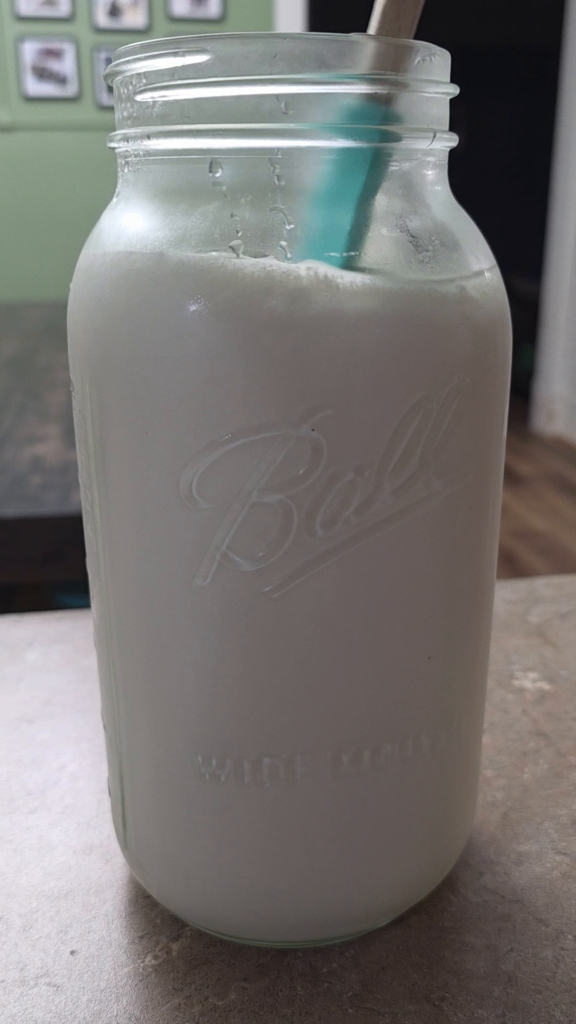
But as I reflect on the quick fixes I have used in the kitchen, the one irrefutable fact I recognize is that many of these quick fixes are not as flavorful as their homemade counterparts, nor are they as nutritious.
I also reflect on the fact that some of my favorite moments with my family are in the kitchen. There are so many simple recipes kids can take over after a demonstration, and with a little bit of supervision as they learn.
A Little Planning, a Little Know-How
Food preparation does not necessarily mean cooking an entire dish ahead of time. It may simply mean preparing a few “staples” ahead of time – so it does require a bit of planning. Items like chicken broth, whipped cream or powdered sugar are often staples we need, but may not have readily available. Food preparation can also mean having that recipe in the back of your mind just in case you discover you are short that one ingredient! I’m notorious for not having buttermilk when I need it for baking – but dang is it easy to make on my own in a pinch! Some staples take a little planning; others can be made in minutes when you need them.
What’s Going Into Your Food?
When we consider nutrition, there’s a reason that “salt” is the second ingredient on many chicken broth labels (ingredients are listed in descending order by weight). It gives flavor to a broth that is often severely lacking flavor, and it can also serve as a preservative. I never add salt to my homemade broth as it’s simply not needed! Another eye-opening example – our homemade whipped cream doesn’t have high fructose corn syrup or hydrogenated vegetable oil in it, unlike the whipped topping I grew up with as a kid.
What Does Homemade Really Cost?
I’m also always considering cost. Some items I make from scratch may cost more, some may be drastically cheaper (yogurt for example). Cost, of course, may factor into your decisions as you plan ahead. Whipped cream, for example, is more expensive to make from scratch – but the cheaper version at the store is so toxic I’m happy to pay the additional price and make it at home.
There’s Power in Knowing You Can
Our society has created a mindset that favors rushing, rather than slowing down and being present in the moment. That mindset can influence what we eat and how we experience our food. But you know what else? Food prep is empowering. Simply knowing I can make various staple ingredients on my own is a “mindset” game changer – even if I choose to buy them from the store.
Final food for thought – passing down that knowledge to our kids could shift a generation’s mindset. Happy food prep, everyone!
Join our free Reclaiming Your Food Supply series for extra resources to help you put what you’re learning into practice!