Alpaca Manure for the Win: The Best Cold Manure for Your Garden
Back in my Denver days, when I drove two hours a day – at a minimum – and started that day with a Starbucks latte (pre-ordered) due to the need to rush rush rush….I NEVER imagined one day I’d write a post about alpaca poop and why everyone should love it 😊

But here I am. We own five alpacas with a baby on the way, and I’ve gone down a rabbit hole researching the topic of poop. I obviously know alpaca poop is the best manure out there, as we’ve used it for going on 15 years now, but I researched it because I really had to know WHY it works – why it’s more efficient and so on.
Our journey with alpaca poop started in Denver. We already were cultivating a Homesteader’s Mindset in the thick of the city. We were homesteaders; we just didn’t know it yet. As city dwellers, alpaca poop provided something that other animal manure simply couldn’t provide while we were living in the city – so I’ll start there.
Let’s talk efficiency. Are you hooked? Let’s go.
Seriously, who uses the word efficiency when describing poop?
Alpaca poop is tidy. It comes in little pellets (often called beans), it dries quickly, and it has almost no odor. It’s sooooo easy to scatter. In essence, it’s a tidy, clean fertilizer to work with – a godsend for all gardeners.
But will it burn my plants? Do I have to let it compost (sit) for a year? Who has time for that?
We’re getting into the nitty gritty now. Savvy gardeners ask me about “plant burning” a lot. I had to learn to articulate a knowledgeable response. NO – it will not burn your plants. I have always known this because we apply alpaca poop straight away with no waiting period, and our plants are beautiful and healthy.
But WHY is the question. Why doesn’t it burn the plants? And what does “burn” the plants even mean?
So, imagine you ate some crazy salty food. Let’s say you downed a bag of overly salted chips because… well just because. At first, you felt terribly satisfied, but then it hit – the salt factor. You are sooooo thirsty. So, you grab a glass of water and chug it – fast.
You needed that water immediately to balance your parched, dehydrated system. You needed to get back to balance. Binging always has a consequence, doesn’t it? The truth is, we all crave balance – including plants.
So, imagine a plant that gets inundated with a form of manure that releases nitrogen fast and furious. Nitrogen has a “salt-like” effect. There’s rarely a quick fix with water (like after eating a bag of salty chips) to dilute it. It’s typically too late, and that nitrogen parches the plant. The plant is now OUT OF BALANCE.
The nitrogen concentration is too high – the plant received too much fertilizer (poop) too fast, and to achieve balance, the plant takes action. The plant moves water OUT to compensate and balance the nitrogen all around it – it gives its water to the soil filled with nitrogen.
Fascinating, isn’t it, how everything in life needs balance?
But what does BURN mean?
It simply means that the plant became dehydrated by pushing its own water out into the soil to compensate for the lack of balance it discovered due to the highly nitrogen concentrated manure surrounding it. The plant is damaged, unlikely to recover, and dies. You’ll see that your plant has leaves that have turned brown and are a little crispy around the edges. The plant may be looking wilted, even though you watered it voraciously. It’s too late. Too much salt too fast can destroy a plant.
It’s not a HEAT burn. It’s a chemical burn.
Alpaca poop fertilizes SLOWLY. Alpacas are masters at digestion (they possess a three-chambered stomach)
Alpacas don’t eat just anything. They pick their nutrients carefully. So – imagine if we all ate in a manner that began the process with quality food every. single. time. We’re already off to the races!
But, it gets better.
Because an alpaca has a three-chambered stomach, this fabulously nutritious food is gonna get ultra-refined as it goes through the digestion process. It is going to take that plant material and create a final pellet that holds stable nutrients – a more balanced poop, so to speak. The alpaca’s digestion system starts with fermentation. Fermentation is a fancy word for turning something into a product that is more digestible, usable, and nutrient-rich. Not all animals’ digestive tracts start with fermentation. (I’m putting a huge gold star on my alpacas’ foreheads at the moment.)
In addition – this one still blows my mind – the alpaca’s chambers literally weed out the weeds.
Let’s repeat that. The alpaca digestion process weeds out the weeds – the likelihood of a weed garden sprouting from alpaca poop is rare and, in our experience, non-existent.
When you weed out the weeds, you also get a COLD manure. It’s not HOT manure – hot manure BURNS – it’s too much too fast. Cold manure is a slow release.
The seeds from weeds that they may have eaten, the bulky pieces of hay, and so on get broken down and removed as needed. That nitrogen we really want for our plants? That nitrogen gets incorporated in a way that makes it release slowly into your soil, and it’s a “low soluble” nitrogen.
Why is low soluble a GOOD THING? It sounds bad, doesn’t it?
Low soluble means that your plant is not getting a flash flood of nutrients that will overwhelm it and kill it. Your plant is getting a sponge that is slowly squeezing nutrients (including that pesky nitrogen) over time onto the plants. Alpaca poop is really miraculous.
Alpaca poop feeds the soil gently, slowly and keeps your plant in balance. Alpacas ferment the food they eat first, which allows them to bind up important nutrients (like nitrogen) while discarding the food that is NOT supportive (such as excess fiber and weed seeds).
But, if I have a friend who has chickens, cows, or horses – I can just go grab some of this manure anytime I want? Absolutely, you can! Let’s talk about the differences you’ll discover in fertilizer application.
What will my plants get with cow manure?
Cows are fermenters like alpacas. Cows also create a COLD manure – it should not burn your plants. Think about cow patties and what they look like! They are bigger than an alpaca pellet and they are high in moisture. Alpaca pellets are very low in moisture because the nutrients are SO concentrated. Cow manure is more diluted, wet, and can really compact the soil beneath it. It takes a LONG time to get cow patties to break down, and honestly, it’s harder to do it by hand due to the nature of a cow patty. It’s bigger and it’s quite wet at first. Alpaca pellets come out ready to scatter and distribute evenly due to being a pellet.
A cow patty smothers the ground beneath it. If you leave it there, as we did, and finally pick it up, the grass below it will be dead. So, to avoid this it is necessary to allow cow manure to compost, dry out, break up, before applying to your garden. Cow manure can also contain more weed seeds because the truth is, they’ll eat just about anything (in our experience).
So – big take away? Cow manure does feed the soil gently, but it takes a helluva lot more work on your part to get it ready to do that.
Okay, but what about chicken poop? I’ve got a ton of chickens myself, and I’d love to use this poop!
You can absolutely do this! We use our chicken coop deep compost method in our garden beds, after it has broken down over several years. If you’d like to know more about this deep compost method, leave me a comment and I’ll write about it!
But let’s talk about this chicken poop.
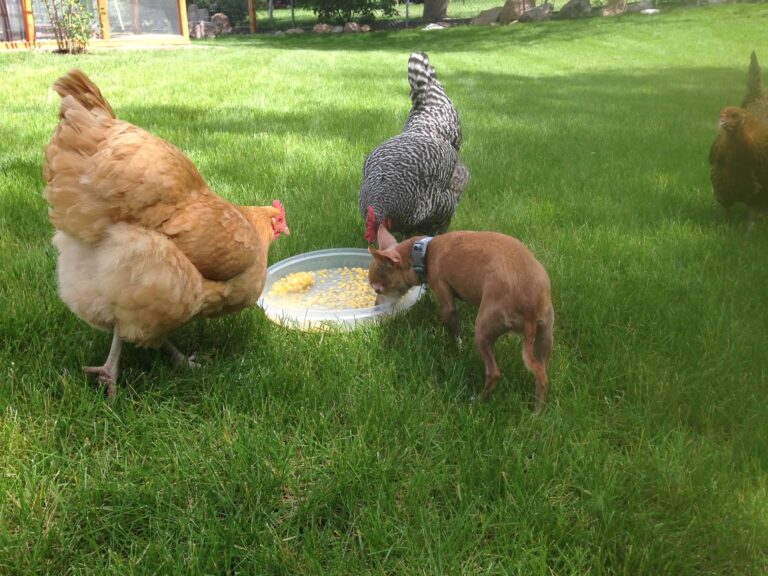
If you hang out with a chicken for a bit, you’ll discover that you never know when they’re gonna poop. If one is sitting on your lap, beware. They poop a lot, and it’s fast, furious, and messy.
HUGE difference between alpacas and chickens? CHICKENS are not fermenters, meaning, they do not ferment the food before they excrete it. It simply shoots out with a lot of nitrogen and it’s crazy strong. You can smell it and it’s most unpleasant. Consider it a nitrogen spike for your plants – this creates a BURN RISK.
Chicken poop is a HOT manure – meaning it can “chemical” burn your plant, create imbalance, and kill your plants IF you apply it immediately without composting. Chicken poop is very wet and immediately gets mushed up with hay, dirt, weeds, etc. on the ground. Chicken poop feeds your plant really fast, too fast, unless you’ve given the chicken manure time to break down and compost.
So now let’s tackle horse poop – there’s a lot of it to be had in my neck of the woods!!!
Horses ferment their food AFTER digestion. As a result, it’s less efficient, they’ve already allowed nutrients to pass through. Alpacas bind up those nutrients asap when they ferment FIRST. Horse manure is a COLD manure – so that is good – low risk of burn! But horse manure contains a lot of fiber content (think weeds and seeds) – this stuff just doesn’t get broken down due to the horse digestive process. You’re more likely to get weeds in your garden and it’s going to take longer for this manure to break down into your soil. Therefore, you need to compost it typically – and that takes time. Horse manure is heavier, higher in moisture, harder to move – it’s just more work and it’s not ready to put on your plants without composting.
So, yes, horse, manure can absolutely be used. It just requires more work.
Horse manure builds compost. Alpaca pellets build garden beds.

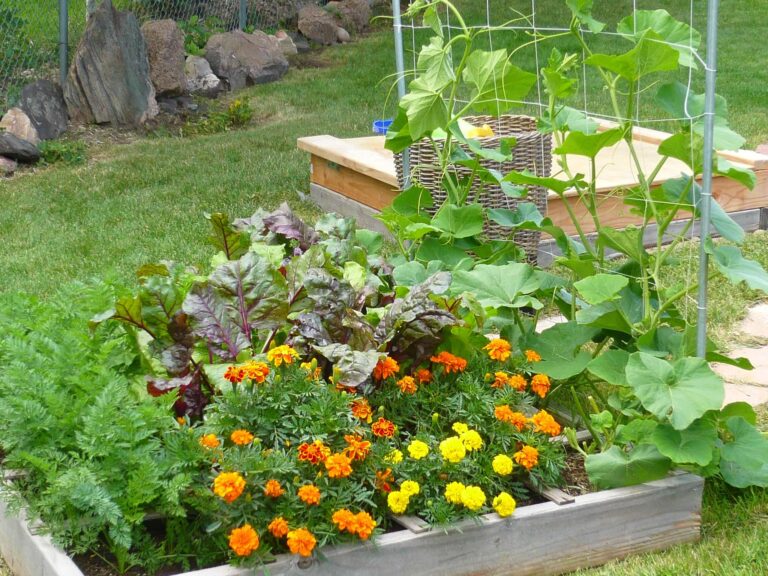
To summarize, alpaca poop is ready to spread. It doesn’t have to compost. But also know you can overdo a good thing – don’t dump a ton of it on a plant. Too much nutrients can simply be too much. When we make our own soil, we use the Square Foot Gardening Method, which is 1/3 compost. So, when you are spreading alpaca poop, simply think about spreading it evenly over your soil – don’t over think it and don’t overdo it 😊
Alpaca poop is easy to work with – dry and ready to go. It releases nutrients slowly, no crazy spikes. Alpaca poop is tidy, efficient – need I say more?
So, the next question is where to find it?
In Denver, we began to seek out alpaca farms – with great success! Obviously, you can buy it online, but lemme tell ya, it’s expensive online. Try to find a local source (aka Mesa View Homestead!!). And if you can’t, move to the country, buy alpacas and go down the rabbit hole I currently live in 😊 Thanks for reading and please feel free to leave questions in the comments! I’d love to hear about your experiences with alpaca poop! And if you live near me and want alpaca poop, just let me know – we never run out!!!! Would you prefer a handy dandy chart to keep all this information organized in your head? Subscribe to my monthly newsletter and I’ll be sure to give you access to my free library where it is housed!