What to Grow and What to Raise?
Simple introduction to my thinking with more posts to follow below…
As you begin homesteading you will quickly discover the huge opportunities to take charge of your food supply, and you will begin to assess and organize your needs and wants in order to move forward. There will be opportunities to experiment and play with ideas, such as growing five different types of beans to pick your favorite. There will be other opportunities where you aren’t playing, and you have to make firm decisions on how to move forward due to time, space, supply of labor, and finally, money.

Experimenting
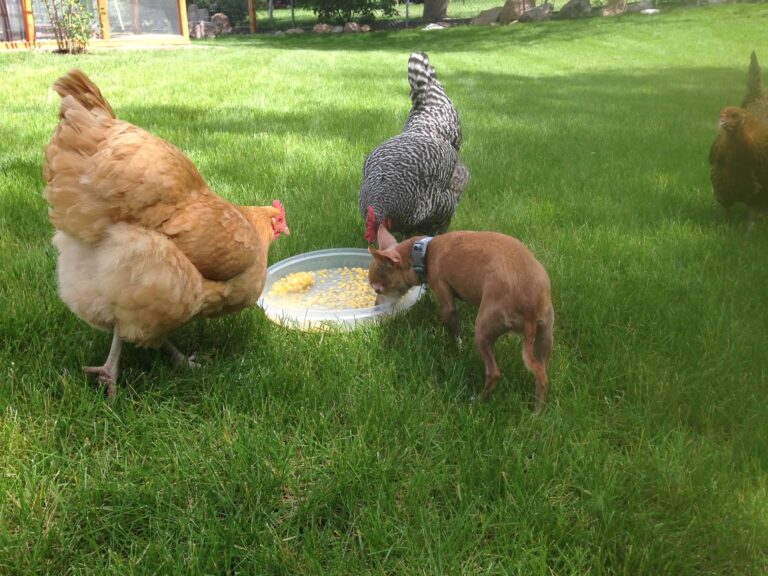
Have fun dabbling in all sorts of trials and errors in ways that don’t break the bank or your time and labor! I have done massive amounts of planting to finally hone in on our staple list of crops that we grow, eat and learn to preserve. Experimenting with seeds can be relatively cheap, and even free, if you have a community seed share system in place. I have a lot of seeds that I have saved and have no plans to ever use, and I’m happy to do a trade with someone if they have a specific seed I am looking for! You may have a large enough plot of land that you can plant the same crop in different locations to see where it thrives! Have fun with all of this and enjoy the creative process. Perhaps you are unsure of what kind of hens to purchase and you are excited to begin collecting your own eggs. We began by picking eight different breeds of hen to figure out which ones were the right fit for us. Lots of initial projects can be done cheaply and without huge consequences, others need serious thought to move forward.
Planning for Big Decisions as you determine what to grow and raise
We were certain we wanted to have our own goat’s milk and make our own cheese. We researched, we talked to other goat owners and we bought goats. My husband spent a year milking one of our goats and freezing all of the milk. We then proceeded to make cheese and discovered that – shocker of shockers – this was not for us. We didn’t want to invest the time and energy into creating our own cheese. We loved the idea of it, but once we did it, we both agreed that this was not something we wanted to continue. As a result, we have goats that are now pets, and that’s fine, but bottom line is that this is an expense that does not produce anything for us in terms of food. That’s okay with us, but it could be a hardship for another homesteader. Sometimes your goals change and can be an expense, so choose wisely.
We also were certain we wanted to raise our own beef. We researched, we planned our fencing and our space, and bought two heifers. We live on a little under two acres, so space is a luxury and one that must be utilized wisely. While our heifers did beautifully growing on our land, they definitely cost us in feed, fencing and all over dynamics of our animals. While I loved our cows, ultimately, I am not sure I would raise cows again on our property. However, it has paid off monetarily in our freezer and our heifers have provided us with meat going on three years. We have had so much meat that we have been able to share with family and neighbors. That being said, the small space and the impact on the dynamics of our animal community might lead me to finding a neighbor who is raising cows and would be willing to raise ours as well for an agreed upon price, or barter.
Growing what you eat and raising what you eat is a never ending adventure. You will need to assess your space, time, energy, climate and finances to pick and choose what works for you. Examine your community and learn from others and see how you can benefit one another! For example, perhaps one community member grows cabbage, another grows beans, and you simply trade at the end of the growing season. The same could occur with pork and beef. We receive a lot of trades in the form of meat and canned goods – a well cared for community can be a huge factor when examining your food supply needs and wants.